You don't need a sommelier pin, a 200-bottle cellar, or a degree in French pronunciation to taste wine properly. You just need a repeatable process that helps you notice what you actually like.
This guide gives you a simple three-step method you can use anywhere – at a vineyard, in your local wine shop, or at home with a bottle on the sofa. It's the same logic Vinehunter uses to build your "Palate Print".
The three steps are:
- Look & Set Expectations
- Smell with a Plan
- Taste, Compare, Decide
Let's go through them.
Step 1 – Look & Set Expectations
Before you even smell the wine, use your eyes. You're not trying to impress anyone – you're just setting expectations for what might be in the glass.
What to check:
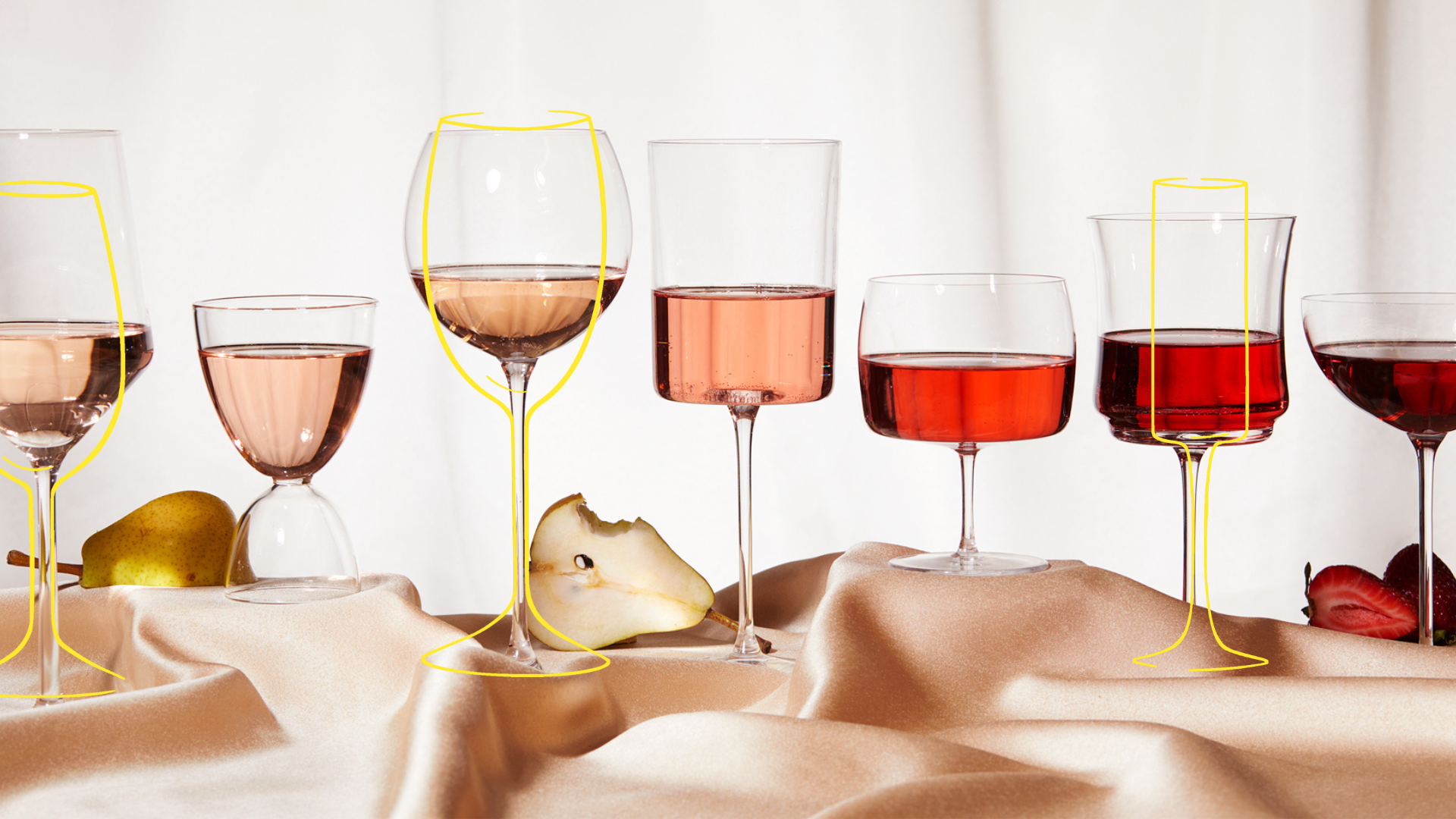
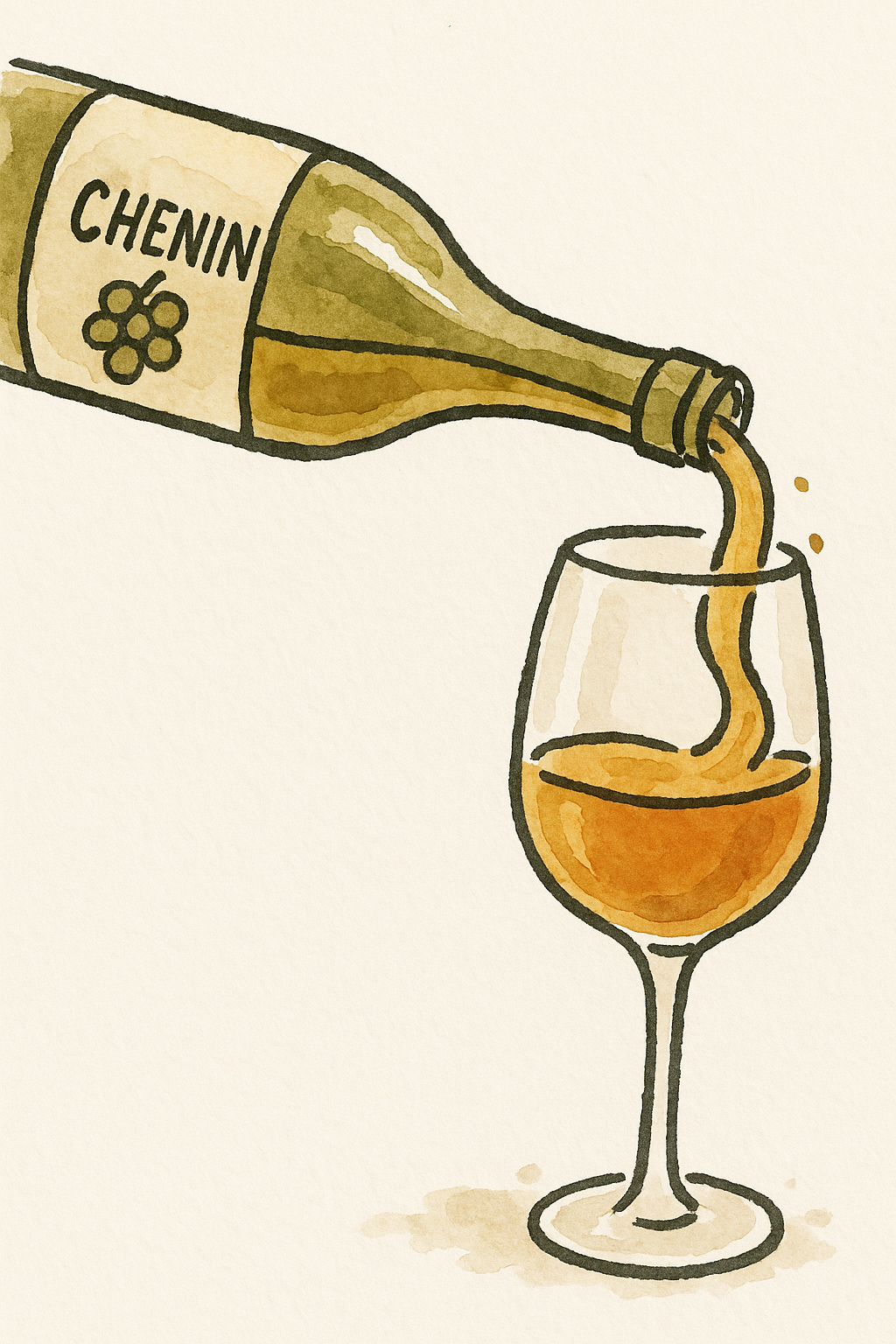
- Colour & intensity – pale lemon, deep gold, light ruby, almost opaque? Generally: paler = lighter and fresher, deeper = riper, richer, sometimes oaked.
- Clarity – clear and bright is standard. A bit hazy could be unfiltered/natural – not a problem, just a clue.
- Legs/tears (optional – it does sound like you know what you're talking about, "great legs"… but you don't need to overthink this). Slow, thick "legs" on the glass – the speed at which the wine dribbles back into the bowl – often mean higher alcohol or sugar. Not a quality judgment; just another hint.
Why this matters. You're basically giving your brain a cheat sheet: "OK, this looks light and pale – I'm expecting something fresh and zippy," or "This looks dark and inky – probably richer and more intense." When the smell and taste match (or clash with) that expectation, you'll remember the wine much more clearly.
If you're using Vinehunter, this is when you start the tasting for that wine so everything you pick up next gets logged.
Step 2 – Smell with a Plan
Most of the flavour in wine is actually aroma. If you skip this bit, you're throwing away half the experience.
How to smell properly. Swirl gently – this releases aromas (and again makes you look like you know what you're doing, which is a bonus). Take short sniffs, not one giant inhale – otherwise your nose gets tired quickly. Pause, then go back in – aromas often open up after a few seconds.
Quick tip! On a second or third sniff you might start to lose the plot – your nose has become used to the smell. You can reset by smelling your own skin (i.e. your arm).
What to look for (without sounding ridiculous). Instead of trying to name 27 fruits, think in broad families, as demonstrated by the Vinehunter aroma wheel:
Fruit character
- Citrus (lemon, lime, grapefruit)
- Orchard (apple, pear)
- Stone (peach, apricot)
- Red (strawberry, cherry, raspberry)
- Black (blackcurrant, blackberry, plum)
- Tropical (pineapple, mango, passionfruit)
Non-fruit notes
- Floral (blossom, rose, violet)
- Herbal/vegetal (green pepper, mint, tomato leaf)
- Spices (vanilla, clove, pepper, baking spices)
- Oak/age (toast, smoke, coffee, nuts, honey, dried fruits)
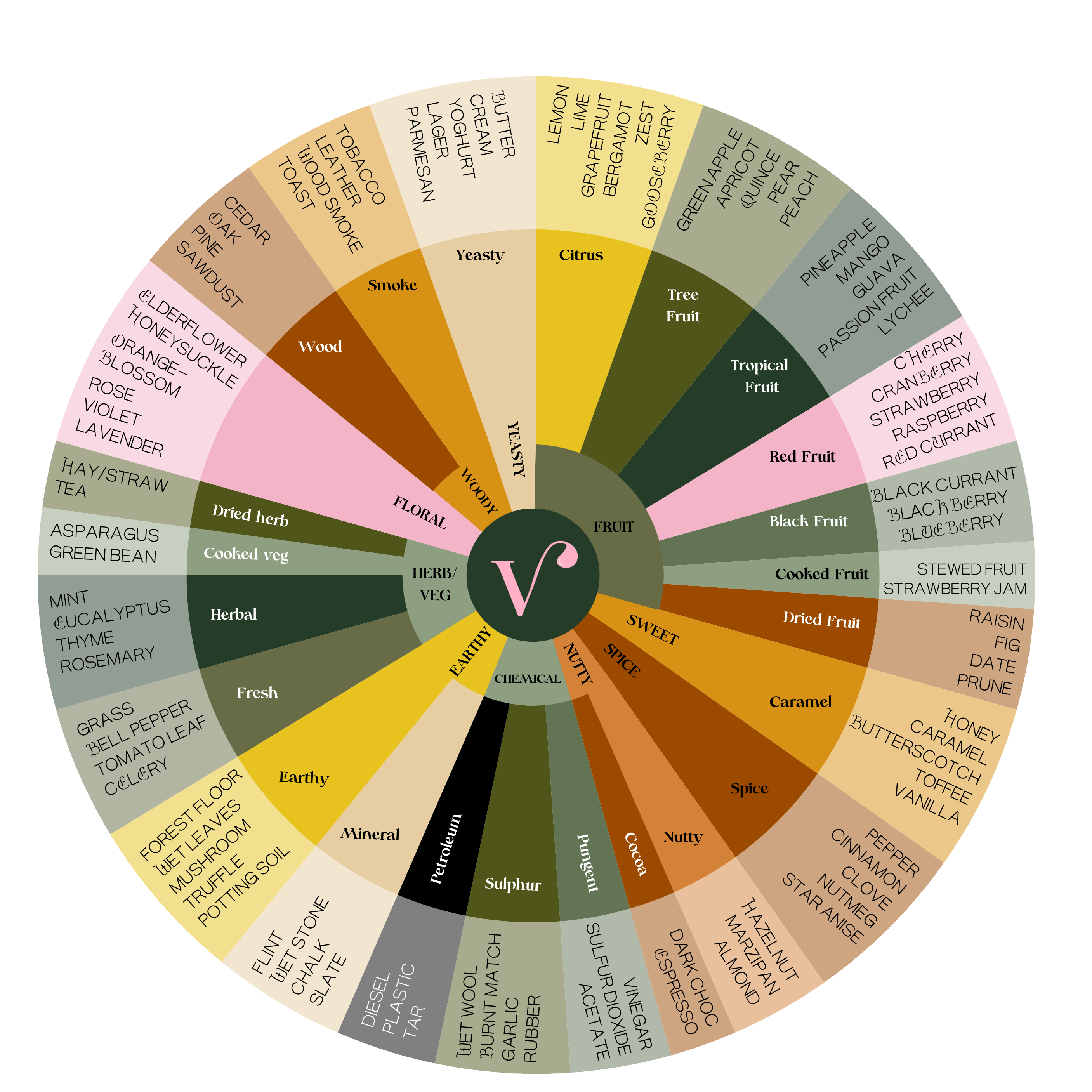
You don't have to get it "right". The point is to notice which groups you can taste, and which you're drawn to. On Vinehunter, this is where you tap the relevant aroma icons – citrus, stone fruit, herbaceous, spicy, etc. Over time, those taps become a pattern: your Palate Print.
Step 3 – Taste, Compare, Decide
Now you finally get to drink it. But again – with a tiny bit of structure.
3.1 The first sip: structure, not poetry
Take a small sip, hold it in your mouth for a few seconds, and gently move it around. Ask yourself:
- Sweetness – bone dry, off-dry, or actually sweet?
- Acidity – mouth-watering and sharp, or soft and mellow?
- Body – light like skimmed milk, medium like semi-skimmed, or full like whole milk/cream?
- Tannin (for reds) – the feature that comes from the pips and skins of grapes, similar to black tea, which creates a stickiness/dryness in the mouth. Low, medium, or "sandpaper"?
- Finish – do flavours change or disappear as you swallow, or hang around?
You're not writing a wine exam. You're just putting rough labels on what your mouth is telling you.
3.2 The second sip: flavour + feeling
On the second sip, focus on which flavours you actually enjoy. Maybe you love citrus and green apple but hate green pepper and harsh oak. And notice how the wine makes you feel – fresh and bright? Rich and cosy? Heavy and tiring after two sips?
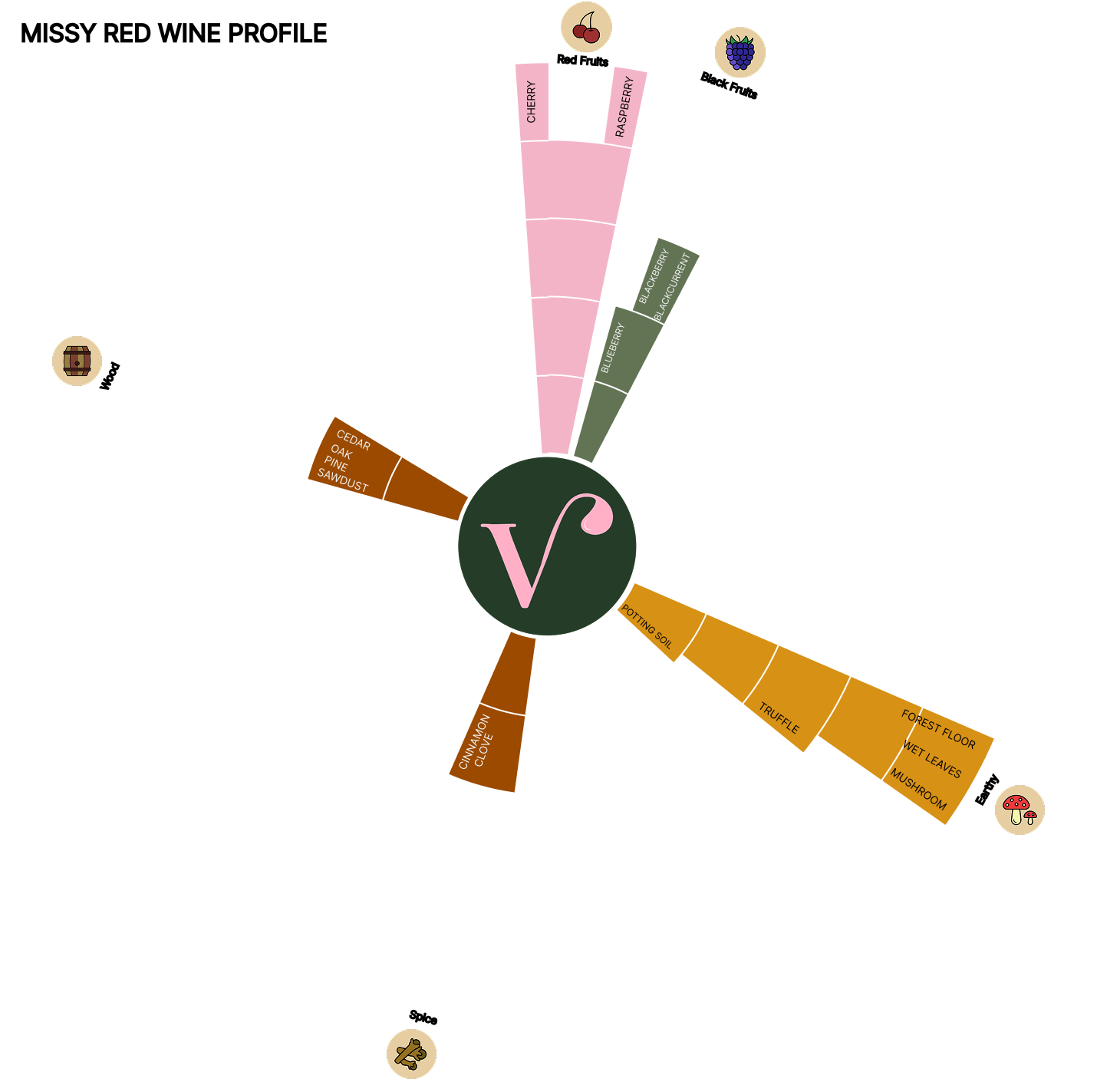
If you're tasting multiple wines, this is where things really click. Compare them: "This Sauvignon is more grapefruit and sharper." "That one is more peachy and softer." You'll start to see clear preferences. On Vinehunter, you log each wine's flavours and a simple score (like / neutral / dislike). The app then compares your ratings across tastings and builds that Palate Print – a map of what you reliably enjoy.
3.3 Decide, don't hedge
At the end of each wine, be decisive:
- Would I happily drink a glass of this again?
- Would I buy a bottle?
- Would I avoid it?
Binary answers are your friend. "It was fine" tells you nothing six months later when you're standing in a shop staring at a wall of labels.
Putting It All Together (Anywhere You Taste)
You can use this 3-step process anywhere.
At a vineyard: taste wines side by side and notice contrast. This is where preferences become obvious fast.
In a wine shop: if there's a tasting counter, brilliant. If not, use the same logic later when you open the bottle at home.
At home: underrated. Open two different wines and compare them directly. Even two whites or two reds will teach you more in 15 minutes than one expensive bottle drunk absent-mindedly over dinner.
That's really the point: tasting isn't about sounding clever. It's about becoming more aware of your own preferences.
Why Vinehunter makes this easier
Most people already have wine preferences. They just haven't logged enough of them to see the pattern. That's what Vinehunter is for.
Instead of relying on vague memory — "I think I liked that white from somewhere beginning with S" — Vinehunter helps you capture what you noticed in the moment: the aromas, the flavours, the style, and whether you actually liked it.
Over time, that becomes your Palate Print: the flavour families you consistently enjoy, the styles you keep coming back to, and the notes that tend to lose you. Which means better bottle choices, better tastings, and less random punting in wine aisles like a confused raccoon.
Final thought
Wine tasting does not need to be intimidating. It just needs a bit of structure. So next time you have a glass in front of you, remember:
Look – what does this wine suggest before I taste it?
Smell – what aroma families stand out?
Taste – do I actually like this, and would I choose it again?
That's it. Three steps. No snobbery required. And the more you do it, the clearer your taste becomes.